




How to Beat Writer's Block: 15 Practical Exercises for Stuck Days
The cursor blinks. You have forty minutes, a mug of tea going cold, and a sentence you have rewritten six times without improving it. Waiting for inspiration is a poor strategy, and most writers know it — but the other advice, "just write", is not much help when your brain has gone flat.
What tends to work is narrowing the task. Give yourself something small, specific and slightly ridiculous to do, and the writing often follows on its own. Below are fifteen exercises, grouped by the kind of stuck you are. Pick one. Give it fifteen minutes. Judge the results tomorrow.
Start Smaller Than Feels Sensible
Block usually comes from the size of the ask. "Write chapter three" is not an instruction your brain can act on. "Describe the kitchen sink in your character's flat" is. Shrink the task until refusing it would be embarrassing.
- Write the worst paragraph you can. Clichés, mixed metaphors, three adjectives per noun, a simile that collapses halfway through. Sabotage it deliberately. It is hard to be precious about something you are ruining on purpose, and the muscles warm up anyway.
- Fifty words about breakfast. What did your character eat this morning? Were they pleased about it? This is not a scene. It is a way in.
- Write the sentence you have been avoiding. Every stalled draft has one line the writer does not want to commit to: the confession, the death, the apology. Write it badly. You can improve it tomorrow.
Prompts for a Ten-Minute Sprint
Set a timer. Ten minutes, no editing, no deleting. If you stall, repeat your last sentence and carry on from there. These are deliberately narrow, so there is less to decide.
- Your character tells a lie. Write the moment they tell it, then the moment they realise it has been believed.
- Describe a room from the point of view of someone who dislikes it. Do not state the dislike, and do not explain it.
- Write a conversation in which neither person says what they actually mean.
- Take the last thing you wrote and retell it from the other character's side. Same events, different interpretation.
- Write a letter you will never send — to a person, a city, or yourself at nineteen.
Constraints Do the Heavy Lifting
Total freedom is the enemy of a stuck day. A limit removes choices, and fewer choices mean faster decisions. Constraints are also useful later on, when a draft has gone flabby and you cannot quite see why.
- One hundred words exactly. Not ninety. Not a hundred and ten. Counting keeps the interfering part of your brain busy.
- No adverbs. If a sentence needs "quickly" to work, the verb is wrong. You will learn something as a side effect, which is a useful bonus.
- Dialogue only. No "he said", no gestures, no weather. Two voices, one page.
- Write it as instructions. A recipe, a set of directions, a safety notice. "Preheat the oven to 200°C. Do not mention your father." The restriction often produces the freshest voice you have found all week.
Move the Problem Somewhere Else
Sometimes the screen is the problem, not the story. Change the surface. Longhand slows you down enough to think, and a page of index cards lets you shuffle scenes without opening a single document. Dictating while you walk is slower still, but the sentences come out spoken, which is closer to how prose should sound when it is read aloud.
Then try copywork. Open a book you admire, type out a page word for word, and keep going in your own words when you reach the end. You are not stealing anything. You are warming up alongside a writer you trust, and the rhythm of their sentences will carry you further than you expect.
Work Out Which Block You Have
There are several, and they need different treatment. Name yours before you fight it.
- Fear. You know what happens next but you do not want to write it. Write it badly, or summarise the whole scene in one plain paragraph first and expand it later.
- Confusion. The plot has gone soft. Draft a one-page outline in the flattest language you can manage, or skip forward and write the scene that comes after the trouble spot.
- Boredom. The scene is dutiful and nobody in it wants anything. Cut it, find the argument inside it, or give someone a secret they are keeping from the reader.
- Perfectionism at line level. You have rewritten the opening eleven times. Start a fresh document, paste in what you have, and refuse to look backwards until the chapter ends.
When the Day Itself Is the Problem
Not every stuck day is a writing problem. If you are sleeping badly, worried about money, unwell, or grieving, the blank page is not the real obstacle, and forcing three hundred words out of yourself may cost more than it gives. Rest is a legitimate writing decision. So is doing something physical: walk, wash up, dig the garden. A surprising number of plot problems dissolve somewhere around the third mile.
If low mood or anxiety lasts for weeks rather than days and starts interfering with ordinary life, speak to your GP. That is a practical step, not a dramatic one.
A Plan for the Next Stuck Day
Decide in advance, because judgement is the first thing to go when you are stuck. Keep the plan small enough that you could follow it while tired, which is exactly when you will need it.
- Set a timer for twelve minutes.
- Choose one exercise from this page. One, not five.
- Write without deleting. If the right word will not come, type WORD in capitals and keep moving.
- Stop mid-sentence, even if you have another twenty minutes in you. Tomorrow's first line is then already waiting, which removes the hardest part of the day.
Some days will still be a fight, and no exercise fixes a draft that genuinely needs rethinking. But the blank page is a smaller opponent than it looks. Give it a narrow task, a timer and permission to be clumsy, and you will usually find that the words were waiting there all along.
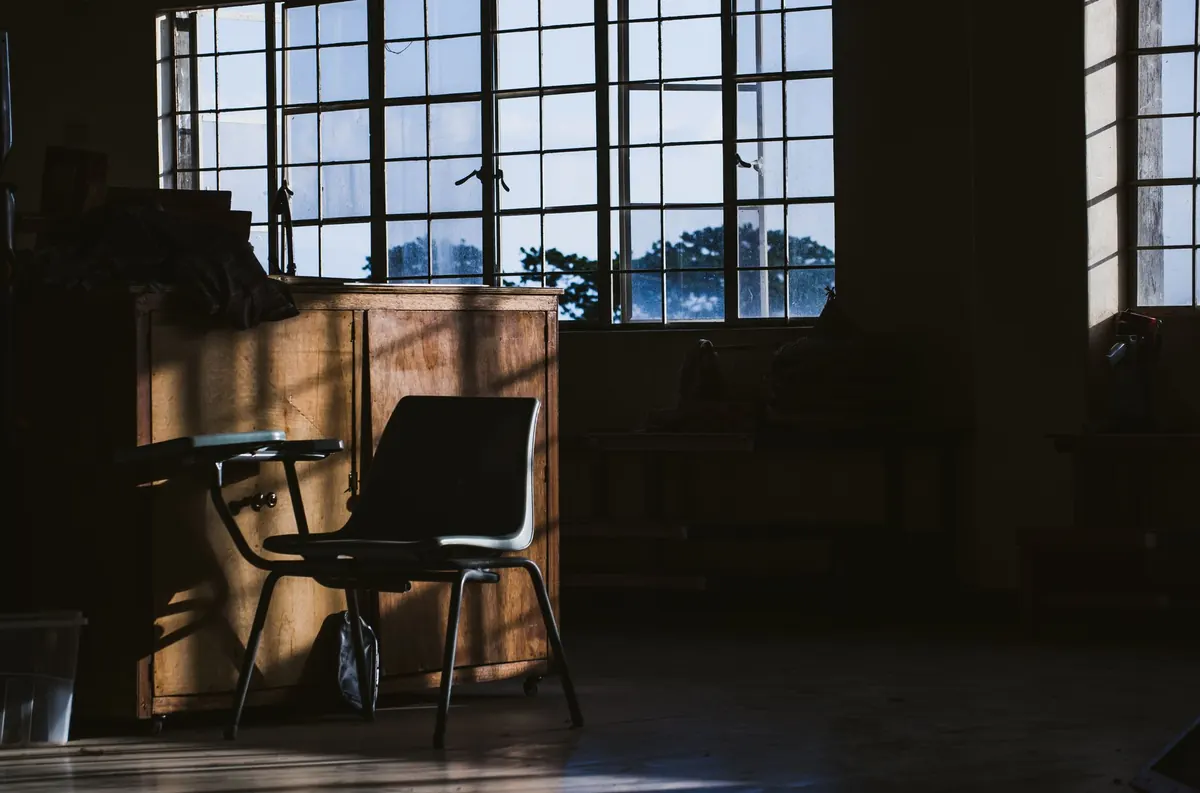
Photo: Nothing Ahead / Pexels